
Keeping 100-Year-Old Platforms Performing
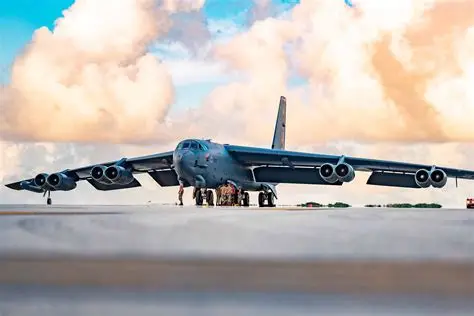
The B-52 Bomber is still flying missions. That’s not a typo, and you didn’t just get transported back to WW2. In fact, the Air Force is in the middle of upgrading the platform again, making all 76 active aircraft operational into 2050. The iconic B-52 will have 100 years in service. That’s not all, check out the chart below which details the increasing system lifecycles for active aircraft. No platform on this chart is younger than 50 years old.
This is where chip obsolescence creates a major problem for the companies that are working on these aircraft. Because of the longer design, testing, qualification and development cycles of the upgrades the microelectronics embedded in these systems must stay in production for years. But all too often the majority of parts are already obsolete before the aircraft is even fielded.
How do defense contractors solve this challenge? In truth, they have short list of bad options. They can stockpile chips during the Last-time-buy periods, which is costly and unpredictable; they can buy chips from aftermarket brokers, which introduces risk; they can redesign the board which costs budget and timeline overruns.
Phoenix is unlocking a new option, a new paradigm for long-cycle industries. What if they could buy a discontinued part, right when it was needed, on demand and at any volume required? Now they can.
